What our rankings are, and are not
Our rankings are editorial opinion. They are informed by research, and every pick comes with a written reason, but they are judgements, not measurements. We do not publish numeric ratings or star scores, because desk research cannot support that kind of precision.
For this edition (October 2026) we have not run blind tastings, tasting panels or repeat visits, and we do not claim to have. If a future edition includes our own tasting notes for a pie, we will say so on that listing, with the date.
Where our facts come from
We build each seller profile from, in order of preference:
- The seller’s own information: its website, online shop, FAQ, printed or PDF menu and order forms. This is our main source for prices, outlets, delivery terms and halal statements.
- Dated food guides and reviews: Eatbook, SETHLUI, Miss Tam Chiak, Honeycombers, The Peak, MissLobang, LadyIronChef and similar publications, using the publication date to judge how current a fact is.
- Public review platforms and directories: Burpple, Tripadvisor, Yelp and delivery platform listings, used mainly as signals that a shop is trading, not as a source of verdicts.
- Official bodies: MUIS for halal certification, the Singapore Food Agency and USDA for food safety guidance.
Every profile lists its sources with links. We do not use search-engine summaries as sources, and we treat menu aggregator sites as indicative only.
How we decide who gets listed
A seller is listed in the directory when we can confirm from its own site or a dated 2026 source that it is trading, or when several recent guides agree that it is. Sellers whose status we could not settle, such as shops that one platform marks closed and another open, are left out until we can confirm them. Shops that have closed go on our closed pie shops page.
Confidence flags
Each profile carries a status:
- Operating: confirmed from the seller’s own information or a dated 2026 source.
- Check before you go: listed in recent sources, but a key detail, such as the current price, address or delivery terms, is dated or conflicting. The profile says which.
When sources disagree, we say so in the copy and use the most recent or most authoritative figure, with its date.
How the Pie List is ranked
The Pie List and the pie-type guides weigh five things:
- Reputation across independent guides: how consistently Singapore food guides recommend the seller, giving more weight to recent ones.
- Clarity: whether the seller publishes its menu, prices and terms, so readers can plan.
- Distinctiveness: whether the pie offers something you cannot easily get elsewhere.
- Access: number of outlets, opening reliability and delivery options.
- Value: price relative to size, ingredients and format.
There is no formula. We weigh these factors and explain each placing in words.
Paid placements
Listings are based on public information and are not paid placements. No seller pays to be listed or ranked.
Halal policy
We report halal status only as the seller or MUIS states it. We distinguish halal-certified sellers from those that say “no pork, no lard” and from those using phrases such as “halal-friendly”. We never describe a seller as halal on our own judgement. Certification can change, so we always advise readers to confirm a specific outlet with MUIS. See the halal pies guide.
Prices, hours and regions
Prices and terms are as of October 2026 unless a different date is given, and we add “check before you go” because they change. Regions follow URA’s five planning regions, except that we group Katong, Joo Chiat and Geylang with the East and one-north with the West, as most people describe them.
Photography
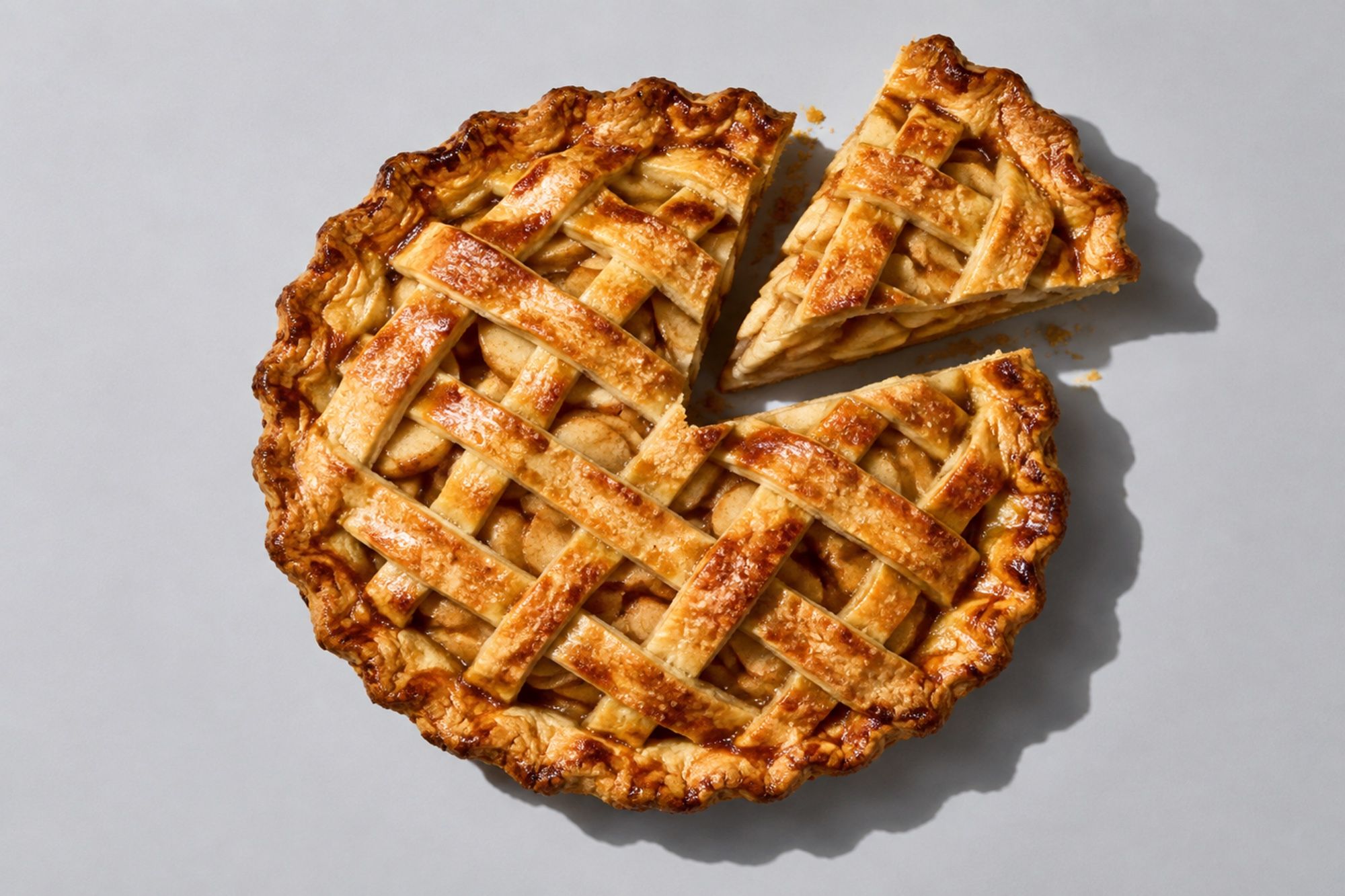
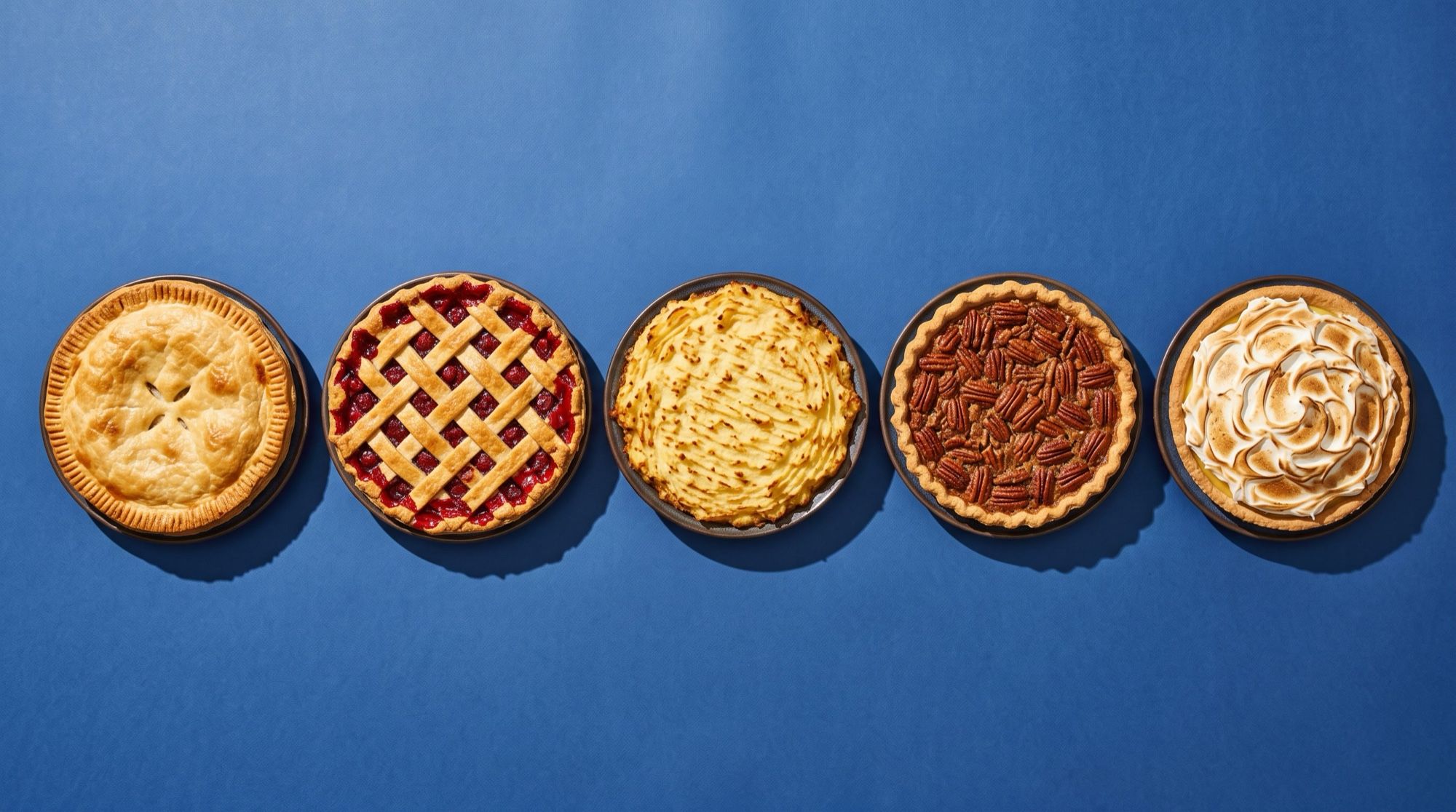
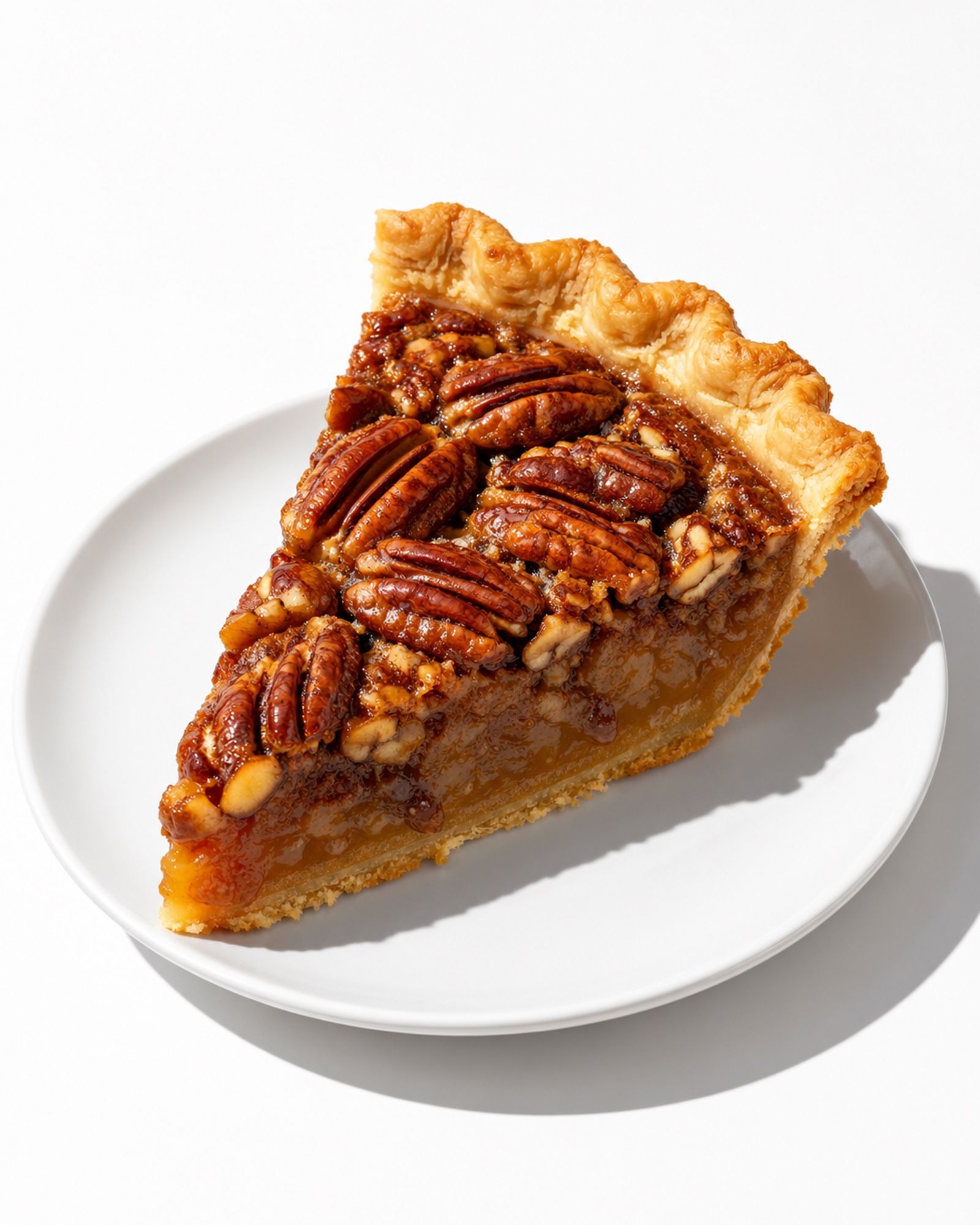
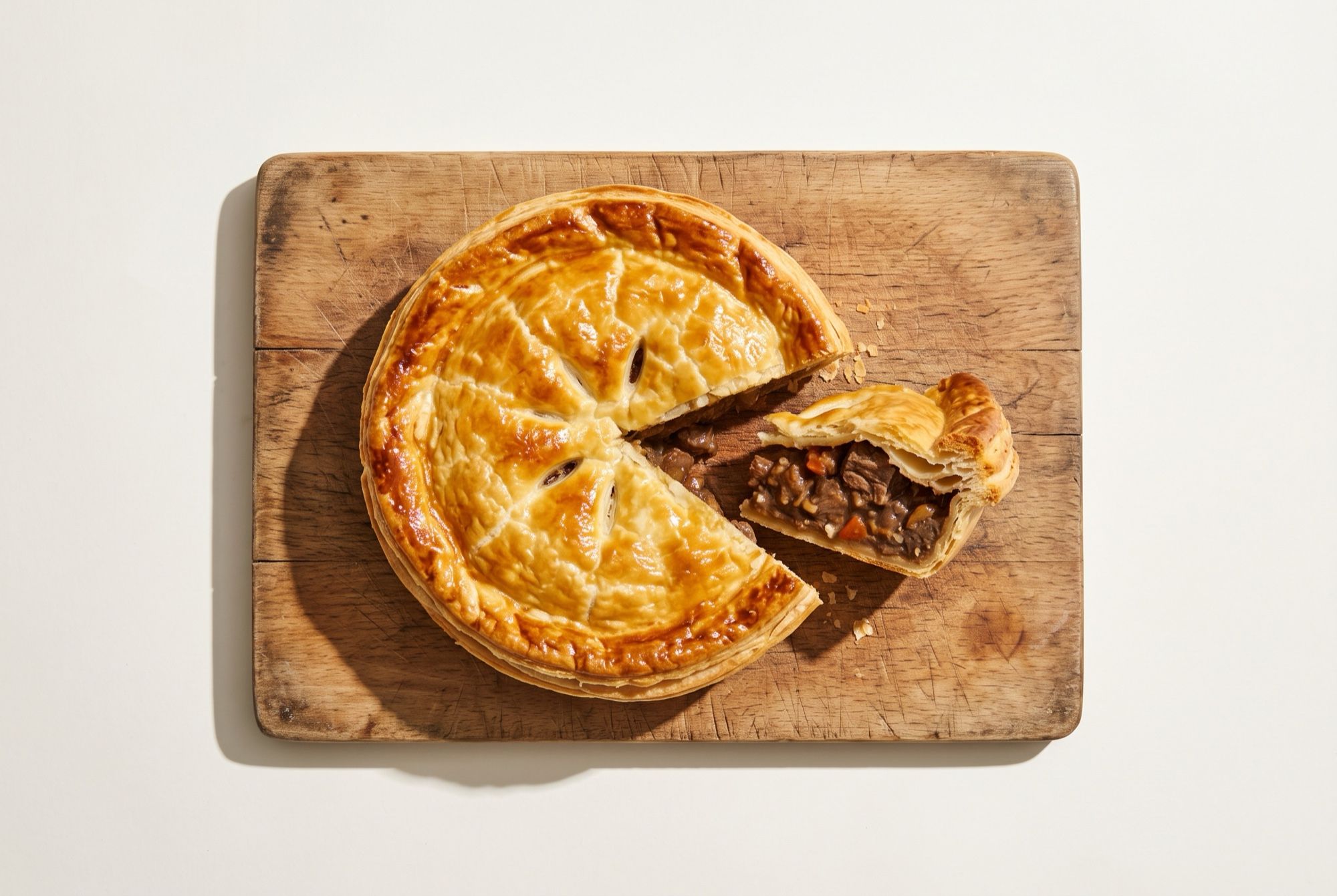
The photographs on this site are AI-generated illustrations of pie types, created for this guide. They are not photographs of any seller’s products or premises, and we label profile images accordingly.
Corrections
We re-check every listing for each edition. When a seller changes its menu, prices, outlets or halal status on its own site, the next edition reflects it. If a detail on this site is wrong, the seller’s own published information should be treated as correct.